

What do I do if I have SIBO?
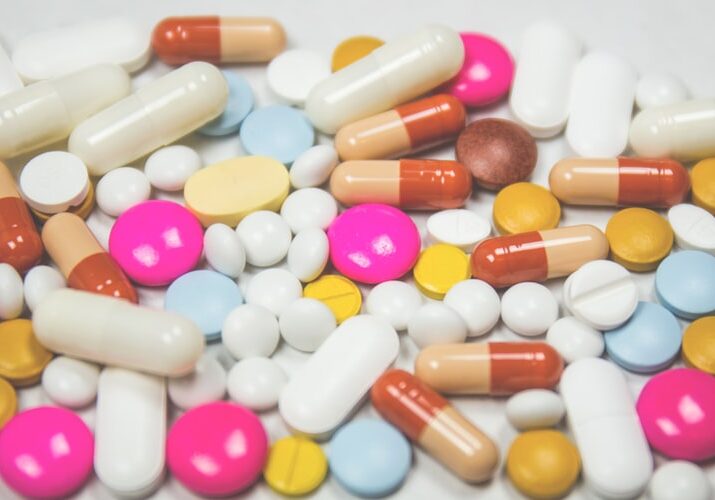
Treating SIBO
So, you got tested for SIBO. What now?
All the treatment options out there can seem a bit daunting – but that’s where we come in to make your life easier!
SIBO Treatment: Antibiotics
If you test positive for SIBO, or if your doctor decides to empirically treat what he or she believes to be SIBO, you’ll be put on antibiotics to try to wipe the bacteria out of your small intestine.
If you have hydrogen-dominant SIBO, you’ll most likely be administered Rifaximin (Xifaxan). If you’re methane-dominant, you’ll most likely be prescribed a combination of Rifaximin (Xifaxan) and Neomycin.
Rifaximin is a unique type of antibiotic in that it isn’t absorbed into the body – rather, it hangs out within your intestines only – a plus in some people’s books.
Many people need to use several rounds of antibiotics before getting rid of SIBO for good; your doctor will most likely retest you a few weeks after your first round is finished to make sure your SIBO is gone.
ANTI-MICROBIALS
Anti-microbial herbs also exist as a method of SIBO treatment. Surprisingly, some studies suggest that they have a success rate nearly identical to that of Rifaximin.
Anti-microbials have a similar function to antibiotics. Oregano oil and berberine are some of the most effective kinds. Talk to a registered dietitian or other healthcare professional about how to use anti-microbials.
PROBIOTICS
Some health professionals recommend using probiotics in conjunction with antibiotics or anti-microbial treatment.
Probiotics are supplements made of good bacteria, so when you ingest them, you are literally adding good bacteria to your microbiome. Even better, some are proven to help push bad bacteria out of the microbiome as well!
The thought behind using probiotics in conjunction with other treatment is that the probiotics would replace the good bacteria that the antibiotics or anti-microbials kill.
What’s counterintuitive to adding probiotics to SIBO, however, is that we’re trying to get all kinds of bacteria out of the small intestine, not just the bad kind. So why would we add good bacteria to the microbiome at all if we’re trying to clean it out?
Interestingly enough, some studies have shown that certain strains of probiotics increase the rate of SIBO treatment efficacy by over 30% – by replacing the good bacteria in the large intestine (which the antibiotics wipe out) and helping to move bad bacteria out of the small intestine.
A meta-study from the Journal of Clinical Gastroenterology, for example, showed that antibiotics alone were 53% effective in treating SIBO, but that when antibiotics and probiotics were used in conjunction, the decontamination rate was 86%!
Despite the evidence, using probiotics for SIBO treatment has been a topic of controversy in the scientific community.
Florastor remains the best-studied probiotic for SIBO. Talk to a health professional about incorporating it into your treatment plan.
Strategies for Coping with SIBO in the Meantime
Dealing with SIBO is no fun. We get it – being too bloated to fit in your pants, feeling exhausted all the time, and spending what seems like hours on the toilet is physically and emotionally taxing!
So while you’re seeking out tests and treatments, what are some strategies you can use in the meantime to make things run as smoothly as possible?
Stimulate the Migrating Motor Complex
The migrating motor complex is essentially your body’s way of cleaning itself – like housekeeping for your guts!
If the migrating motor complex is able to do its job, it can encourage proper motility (aka not being constipated or having diarrhea) and microbiome balance.
Making sure our migrating motor complexes are working to keep our intestines clean and operating at the right pace (motility) is key to overcoming any digestive issue. So how do we stimulate it?
Well, the migrating motor complex only works when we’re not eating – your stomach needs a break sometimes! To properly stimulate it, it’s recommended that you avoid grazing all day; instead, make sure to split your meals up by at least 3-5 hours.
Low FODMAP Diet
A low FODMAP diet consists of foods that get completely absorbed in the small intestine – meaning bad bacteria in the large intestine don’t get a chance to munch on it (which can thereby reduce digestive symptoms for some people).
Some SIBO patients have found that eating a low FODMAP diet can reduce symptoms while they’re going through treatment.
However, it doesn’t work for everyone, and there are pros and cons to eating that way.
Sticking to low FODMAP permanently can prevent good bacteria living in the large intestine from getting the food they need to thrive – thereby encouraging another bout of dysbiosis in the long run.
For this reason, it’s imperative that you work with a registered dietitian to begin implementing a temporary low FODMAP diet (if you choose to go down that route) and then work on reimplementing high FODMAP foods after your treatment is over.
The Bottom Line
If you’re struggling with digestive issues like bloating, gas, constipation, or diarrhea (or both), getting tested for SIBO is worth a trip to the doctor’s office – who knows, maybe a few months from now you’ll be feeling brand new!
In the meantime, aim for three meals a day (spread 4 or more hours apart), talk to a dietitian about potentially incorporating a low-fodmap diet into your plan, and keep on reading our blogs for more information!
Send Kylie and Kate an email at info@kylieandkate.com if you have further questions or would like help with treating your own SIBO!
Include co-written by Lana Schwartz