

Soy, A Plant Based Protein For Gut Health and Hormone Balance
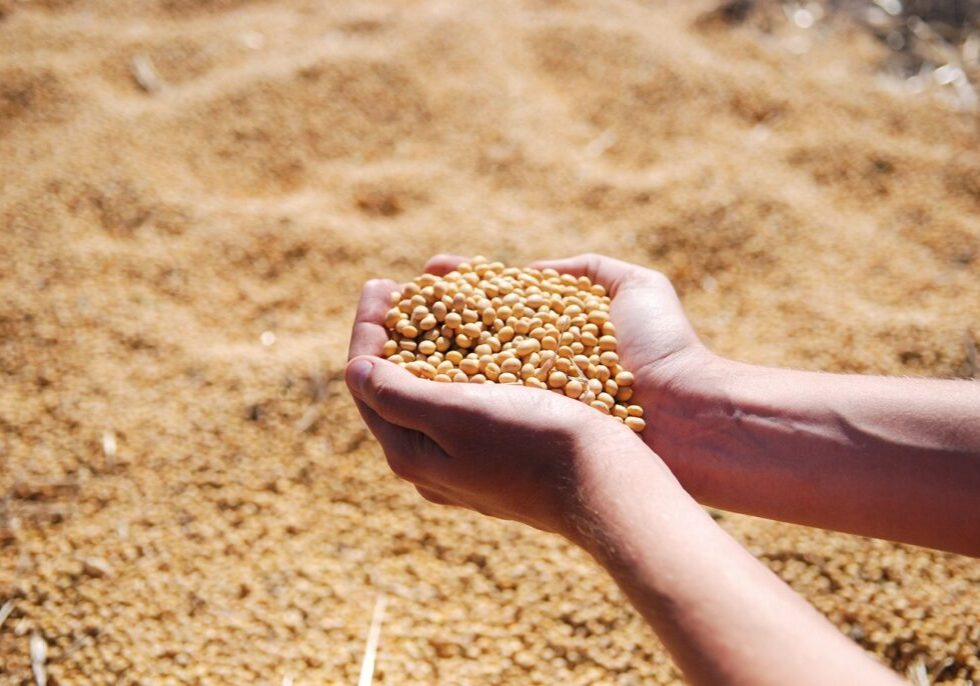
Many of you have questions about soy: Is it a good source of plant-based protein? Does it contain antinutrients? Could it impact hormone balance or increase the risk of breast cancer? Let’s delve into the research and get some clarity.
Soy’s Safety and Health Benefits
Soy is often met with skepticism due to dramatic claims online. However, extensive research has demonstrated that soy is not only safe but also offers significant health benefits. Soy products contribute to heart health and may even lower the risk of certain cancers, including breast cancer. Renowned organizations like the American Heart Association and the American Cancer Society have acknowledged the cardiovascular benefits of soy, noting its role in a heart-healthy diet. Soy is a complete protein, containing all essential amino acids necessary for human health, which makes it an excellent choice for vegetarians and those looking to diversify their protein sources (DrWeil.com) (CancerInfo).
What about the Antinutrients?
The term “antinutrients” can be alarming, but these naturally occurring compounds are common in many plant foods, not just soy. While they can interfere with mineral absorption, their impact is generally minimal, particularly in a balanced diet. Fermented soy products, such as tempeh, reduce antinutrient levels and even offer probiotic benefits, enhancing gut health. Fermentation helps make the nutrients in soy more bioavailable, thus supporting digestive health and nutrient absorption (MDPI).
Soy and Your Gut
Soy is beneficial for gut health. It’s rich in dietary fiber and omega-3 fatty acids, which are crucial for maintaining a healthy intestinal lining. Fermented soy products like miso and tempeh introduce beneficial bacteria to the digestive system, supporting a healthy gut microbiota, crucial for both digestion and immune function (MDPI).
What If I’m Intolerant to Soy?
It’s important to recognize that individual responses to soy can vary. If you suspect a soy intolerance, consider eliminating soy temporarily to see how your body reacts. The preparation and combination of foods with soy can also influence digestibility and tolerance.
Choosing the Right Soy
To maximize the health benefits of soy:
Opt for Organic:
Choosing organic soy products can help you avoid genetically modified organisms (GMOs) and reduce exposure to pesticides like glyphosate, commonly used in conventional soy farming.
Go Unprocessed:
Focus on unprocessed or minimally processed soy products such as tofu, edamame, and tempeh. These retain most of the natural nutrients found in soybeans and are less likely to contain additives or preservatives.
Conclusion
While soy is surrounded by myths, the overwhelming scientific evidence supports its safety and benefits. Like any food, moderation and variety are key. Incorporating a range of protein sources ensures a balanced intake of nutrients, vital for optimal health.
This comprehensive look at soy hopefully clears up some of the confusion and reassures you about the benefits of including soy in your diet. Always consider your own health conditions and dietary needs, and consult with a healthcare provider if you have concerns about allergies or specific health conditions related to food.