

3 Underrated Supplements Every Woman Should Know About
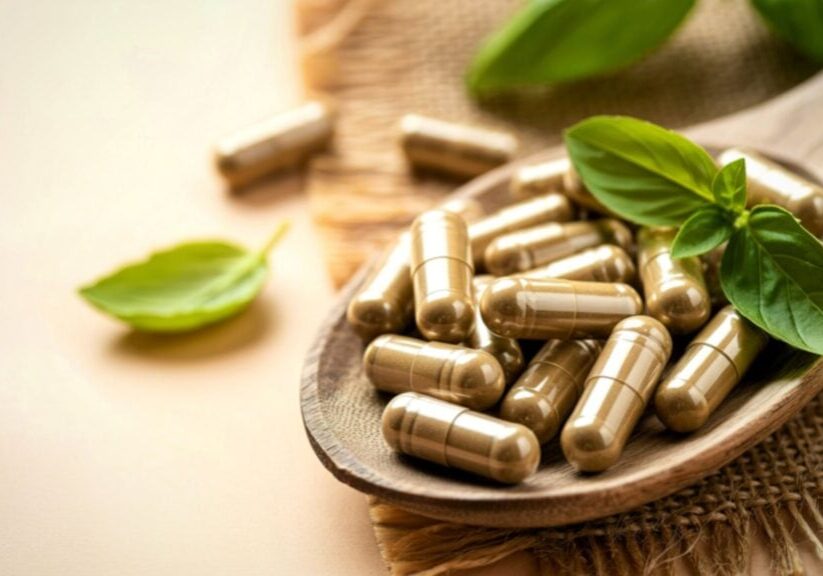
You know that feeling when you’re doing everything right—eating well, getting decent sleep, taking your magnesium and probiotics—and still don’t feel like yourself?
It’s frustrating. You’re ticking every “healthy” box, yet your body still feels off. Maybe you’re tired, bloated, anxious, or your skin is flaring for no clear reason.
That’s the point when I start looking deeper at how your body is using nutrients, not just what you’re giving it. Because sometimes it’s not about taking more supplements. It’s about giving your body the kind of support that helps it actually absorb, regulate, and repair.
In our practice, we often use three lesser-known supplements that quietly support some of your body’s most important systems: iron balance, stress regulation, and gut repair. They’re not trendy, not sponsored, and not something you’ll see all over Instagram—but they can make a real difference when the basics still aren’t working.
Let’s talk about them.
1. Lactoferrin: The Iron Helper
If your ferritin levels are low and you’ve been taking iron for months without much change, you’re not alone. Many women are anemic or borderline low in iron, yet standard supplements don’t always fix the problem.
Here’s why: iron absorption depends heavily on gut health, stomach acid, and inflammation levels. If your digestion is off, iron can end up sitting in the gut causing constipation, bloating, or nausea—without actually improving your labs.
That’s where lactoferrin comes in. It’s a protein your body already makes (you’ll find it in breast milk, tears, and saliva) that binds iron and directs it where it needs to go. Think of it as the air-traffic controller for your iron: it helps deliver it safely to your red blood cells for energy and keeps it away from tissues where excess iron can cause oxidative stress and inflammation.
Research shows that lactoferrin can raise ferritin levels as effectively as traditional iron supplements—without the digestive side effects (NCBI). It’s also antimicrobial, which means it prevents harmful gut bacteria from using iron to grow.
If your labs show low ferritin but oral iron isn’t helping, this may be worth discussing with your provider. A typical dose is around 200 mg per day, often paired with vitamin C for better absorption.
2. Reishi: The Stress System Reset
Reishi is one of my favorite adaptogens. It doesn’t push your energy up or down. It’s not like caffeine or matcha. It simply helps your body adapt—which is why it’s called an adaptogen.
When your stress hormones, nervous system, and immune function are all firing in opposite directions, reishi helps bring them back to a steadier rhythm. If your cortisol is too high, it helps calm it down. If you’re running on empty, it helps your body recover.
It’s been used for centuries in Traditional Chinese Medicine, and modern research backs up its benefits. Compounds called triterpenes and beta-glucans have been shown to support the gut microbiome, modulate immunity, and lower inflammatory markers (NCBI).
I’ve seen clients notice better sleep, a calmer mood, less caffeine dependence, and smoother digestion after adding reishi. It’s subtle—you don’t feel a sudden “kick.” It’s more like one day you realize you’re falling asleep easier and not reacting as much. That’s the reishi effect.
Because stress and gut health are deeply connected, when your nervous system relaxes, your digestion does too. Reishi even supports gentle liver detoxification, which can help clear excess estrogen and reduce PMS symptoms, bloating, and hormonal acne.
If you try it, look for a fruiting-body extract, not the mycelium or grain form, since that’s where the active compounds are concentrated. A typical dose is around one to two grams per day (usually two capsules). I personally use MyCommunity for all mushroom-based supplements.
3. Zinc Carnosine: The Gut Lining Protector
If you’ve heard of zinc, it was probably in the context of immunity or acne. But the form that deserves more attention for gut repair is zinc carnosine.
This compound binds zinc with an amino acid called carnosine, forming a nutrient that literally adheres to the lining of your stomach and intestines to help them heal.
Picture your gut like a garden bed. If the soil is dry and cracked, you can throw all the seeds and nutrients you want at it, but nothing will grow. Zinc carnosine helps “water and patch” that soil so it can absorb again.
The gut lining is only one cell thick and regenerates every few days, but modern life—stress, alcohol, antibiotics, birth control, NSAIDs, processed foods—can damage it faster than it can repair. When that barrier becomes inflamed, small particles leak through and trigger the immune system. That’s when you start to see bloating, fatigue, skin flare-ups, and nutrient deficiencies.
Even if your diet is perfect, you can’t feel your best without a healthy gut lining.
Zinc carnosine has been shown in clinical trials to promote repair of micro-injuries, strengthen tight junctions, and stimulate protective mucus (Mayo Clinic Proceedings). In Japan, it’s actually prescribed for ulcers, and studies show improvement in reflux and gastritis within weeks.
When your gut heals, everything else improves: iron absorption, thyroid function, hormone balance, and energy. Because inflammation calms down, your entire system works more efficiently.
Why These Work Together
These three may seem unrelated, but they actually support different pillars of the same foundation:
- Lactoferrin supports balanced iron metabolism and immune resilience.
- Reishi supports a regulated stress response, gut harmony, and hormone balance.
- Zinc carnosine strengthens the gut lining for better nutrient absorption and reduced inflammation.
When stress calms, digestion improves. When digestion improves, nutrient absorption rises. When nutrients are properly absorbed and delivered, energy stabilizes. That’s the interconnected magic of your gut, hormones, and metabolism—what I call the Key3 Method.
A Note Before You Start
As always, none of these are magic bullets. They’re tools to help your body do what it already knows how to do—heal, balance, and restore. Supplements should never replace food, sleep, or stress care. They simply make your healthy habits work better.
If you’re curious about trying any of them, talk to your healthcare provider or functional dietitian to find the right type and dose for your body.
If You’re Doing Everything Right and Still Feel Off
That’s usually the body’s way of asking for deeper support.
Sometimes it’s not about more effort. It’s about more alignment—helping your gut, hormones, and metabolism work together again.
If that resonates, this is exactly what we work on inside Wellness Within, my 1:1 coaching program. You’ll get personalized testing, tailored nutrition, and ongoing support so you can finally feel good again—consistently.