

Are Parasite Cleanses Legit? The Science-Backed Truth
The Allure of Parasite Cleanses on Social Media
You’re scrolling Instagram late at night — tired, bloated, and frustrated that nothing seems to be working. Suddenly, a Reel pops up: a wellness influencer claims that your symptoms — the brain fog, the digestive issues, the constant fatigue — are all caused by parasites. According to her, a simple cleanse with herbal supplements and detox powders is the answer you’ve been missing.
It’s not just one post. Once you engage, the algorithm floods your feed with similar messages: “Your bloat? Parasites. Your low energy? Parasites. Your hormonal acne? Yep, probably parasites.”
It’s compelling — because it offers a clear villain. The idea that there’s something inside you that needs to be removed feels validating, even hopeful. Finally, an explanation for the unexplained.
But here’s the truth: while the narrative is emotionally persuasive, it’s not grounded in science.
We get why people fall for it — we’ve seen the same posts. The before-and-after photos, the dramatic testimonials… it’s very convincing. But in many cases, these cleanses can end up doing more harm than good. We’ve had clients come to us after trying them — more bloated, more depleted, even losing hair — and they still didn’t get the answers or relief they were promised.
What Are Parasites, Really?
Let’s start with the facts: parasites are real, and yes — in certain cases, they can make you sick.
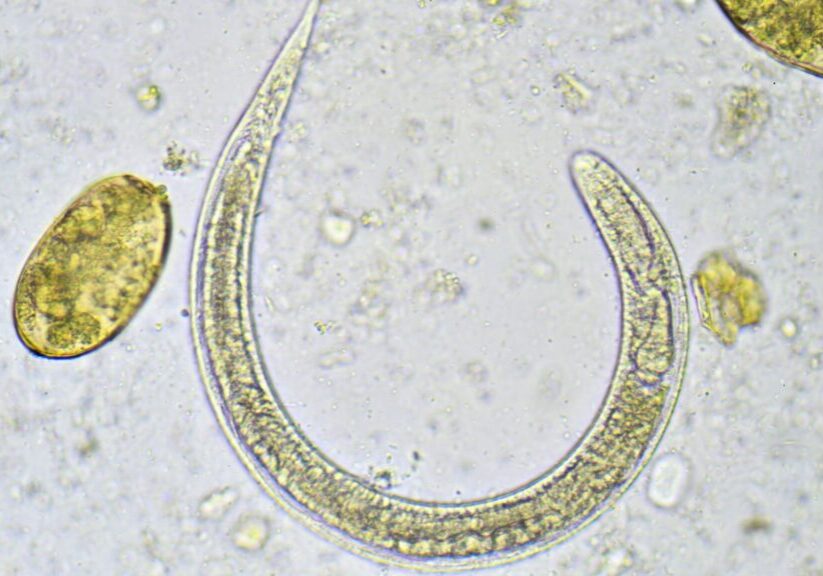
Scientifically speaking, a parasite is an organism that lives on or inside a host and gets its nutrients at the host’s expense. In humans, this usually means microscopic organisms like protozoa (such as Giardia) or worms (like pinworms or tapeworms) that infect the gut or other parts of the body.
When someone actually has a parasitic infection, the symptoms are typically clear and acute — think severe diarrhea, cramping, unexplained weight loss, or intense anal itching in the case of pinworms. These aren’t vague, everyday wellness complaints. They’re signs of something that needs real medical attention.
And here’s the key: true parasitic infections are diagnosed through proper testing — typically a stool sample, blood test, or other lab-based assessments ordered by a healthcare provider.
So yes, parasites exist. And yes, they can cause problems. But just because you’re feeling ‘off’ doesn’t mean you’re hosting a hidden invader.
How Common Are Parasite Infections in Healthy Adults?
If you spend enough time on wellness TikTok or Instagram, you might think parasites are lurking in all of us — just waiting to be “cleansed.” But according to medical research and global health data, parasitic infections in healthy adults—especially in developed countries—are relatively rare.
The Centers for Disease Control and Prevention (CDC) estimates that while parasitic infections do occur in the U.S., they are most often linked to travel, contaminated food or water, or specific risk factors (like immunosuppression). Not everyday life.
What’s more, most true parasitic infections come with very clear symptoms, not vague ones like “brain fog” or “bloating.” We’re talking about:
- Persistent or severe diarrhea
- Unexplained weight loss
- Abdominal pain or cramping
- Nausea or vomiting
- Fever or fatigue
- Anal itching (in the case of pinworms)
If you truly had a parasite, chances are you’d know something was seriously wrong—and you’d be seeing a doctor, not buying a $200 herbal detox kit.
So while it’s not impossible to have a parasite, the odds are far lower than influencers might have you believe. Most of the time, those uncomfortable symptoms are more likely related to gut imbalances, food sensitivities, stress, or blood sugar swings — not a hidden critter waiting to be flushed out.
What Is a Parasite Cleanse & Are Parasite Cleanses Legit?
Scroll through your feed long enough, and you’re bound to see someone raving about their latest parasite cleanse. These cleanses are typically marketed as multi-step protocols loaded with herbs, powders, binding agents (like charcoal or bentonite clay), and long lists of supplements—sometimes ten or more at a time.
They often come with bold promises: more energy, clearer skin, better digestion, less bloating, fewer mood swings, even improvements in ADHD or autism symptoms in kids.
The wellness world’s reasoning? That most of your symptoms are caused by “hidden” parasites—so if you just flush them out, you’ll feel like a new person.
You’ll see influencers talk about “10-step detoxes with aggressive protocols that promise to pull parasites from your gut.” Some even post videos of what they claim are parasites in their stool—though in many cases, what they’re seeing are undigested fibers or mucus, not actual worms.
But here’s the catch: there’s no medical evidence supporting these types of cleanses. And what’s often left unsaid is the potential for harm—especially when you flood your system with strong herbs and binders that your gut and liver might not be ready to handle.
The Risks of Parasite Cleanses
While the idea of “flushing out what doesn’t belong” can feel empowering, parasite cleanses often do more harm than good—especially when done without proper medical guidance.
Let’s break down the risks:
1. Overburdening Your Body
These protocols are often intense. When you bombard your system with a cocktail of strong herbs, binders, and detox supplements, your gut, liver, and immune system can become overwhelmed. Instead of healing, your body is put under stress, which can lead to increased inflammation and fatigue.
2. Aggressive Supplements
Many of the supplements used in these cleanses are poorly regulated, not designed for long-term use, and far too harsh for the average person—especially someone already struggling with gut issues. Just because something is “natural” doesn’t mean it’s safe or appropriate for you.
3. Misdiagnosis and Mistreatment
One of the biggest issues is that most people doing these cleanses don’t actually have parasites. What they do have? Often gut dysbiosis, poor digestion, high stress, or unresolved food sensitivities—none of which are fixed by a parasite protocol. So not only is the root cause missed, but the treatment can actually make things worse.
4. Nutrient Depletion & Inflammation
These aggressive detoxes can strip your body of essential nutrients and disrupt the delicate balance of your gut lining, leading to more inflammation—not less. In some cases, people are left with even weaker digestion and lower resilience than before.
Real Stories, Real Consequences:
We’ve worked with dozens of women who came to us after trying aggressive parasite cleanses they found online. Here’s what some of them experienced:
Anna, 34 tried a 10-day herbal protocol she found on Instagram. Instead of feeling better, her bloating got worse, she started losing hair, and she felt completely depleted.
Jasmin, 41 followed a cleanse that included over a dozen supplements and daily coffee enemas. She ended up in our office with severe fatigue, nutrient deficiencies, and a gut that was more inflamed than before.
Rachel, 29 had no parasite — just dysbiosis and stress — but after trying a charcoal-heavy protocol, her digestion slowed down, her sleep worsened, and she was more confused than ever.
These women didn’t need cleansing. They needed nourishment, testing, and a plan that was designed for their body.
What to Do Instead (Our Science-Backed Approach)
If you’re feeling off—bloated, tired, foggy—it’s easy to fall into the trap of a quick-fix protocol promising to “clear it all out.” But there’s a better, safer, and far more effective way.
1. Start with Real Testing
If you genuinely suspect a parasite, don’t self-diagnose. See a doctor and ask for a stool test or other appropriate diagnostics. True parasitic infections need targeted treatment—not guesswork and not 10-step supplement kits.
2. Focus on Gut & Liver Support
Your gut and liver already have incredible detox capabilities—but they need the right conditions to do their job well. That means:
- Eating real, whole foods (especially fiber, greens, and fermented foods)
- Drinking plenty of water
- Sleeping consistently
- Moving your body regularly
You don’t need to “force” detox. You need to support it.
3. Work with Someone Who Gets the Full Picture
Within Nutrition’s approach is always rooted in science-backed, full-body care. That means no fear-mongering and no pushing you into a supplement funnel. Instead, it’s about:
- Getting to the true root cause
- Looking at the gut, hormones, stress, and lifestyle
- Creating a plan that’s sustainable and personalized
4. Gentle, Not Aggressive
Your body is not a battlefield. Healing doesn’t need to be harsh or extreme. In fact, less is often more when rebuilding your system. Supporting your microbiome, healing your gut lining, and slowly restoring balance can lead to real, lasting results—without the crash.
The Bottom Line
Most people don’t need a parasite cleanse—and trying one without a real diagnosis can actually make you feel worse.
Yes, parasites exist. Yes, they can cause serious issues. But for the average, relatively healthy person, especially in developed countries, a true parasite infection is rare—and when it does happen, it needs medical treatment, not a DIY protocol you found on Instagram.
Your symptoms are real. But chances are, they’re coming from a stressed, depleted gut, not a hidden parasite.
So instead of focusing on removing, try focusing on rebuilding—with nourishment, rest, and support from someone who sees the whole picture.
Need help figuring out the real root of your gut issues?
Apply to work with us for personalized, science-backed guidance that supports your body—without the overwhelm.