
How Much Protein Do Women Need for Fat Loss, Energy & Longevity?
You’re eating clean, squeezing in workouts, maybe even cutting back on sugar —
So why do you still feel tired, snacky, or stuck with weight that just won’t budge?
The answer might be protein —
But not in the way you’ve heard before.
You’ve probably seen it everywhere:
“You need more protein.”
So you try:
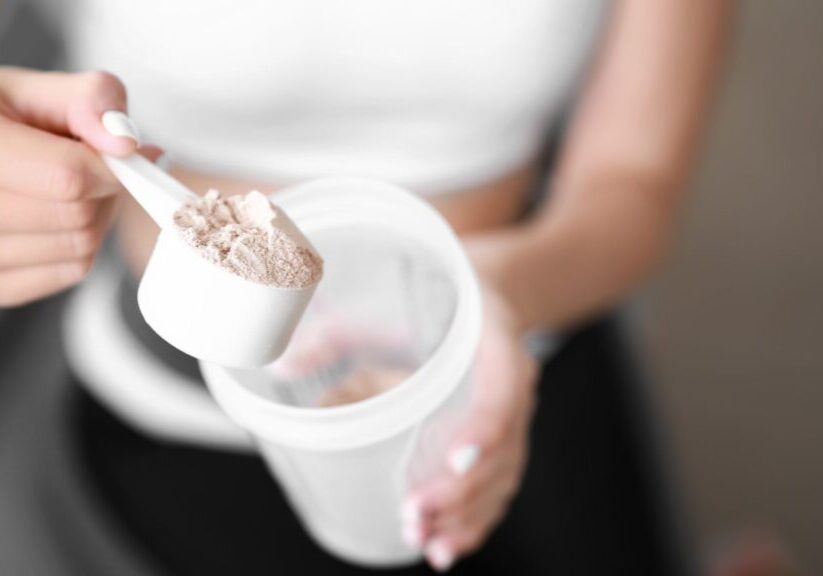
A scoop of powder in your smoothie.
Some chickpeas on your salad.
A “high-protein” breakfast here and there…
But then the conflicting headlines creep in:
“Too much protein causes aging.”
“You’re already getting enough.”“Women don’t need that much anyway.”
So which is it?
Is protein the key to energy and fat loss — or just another health fad?
In this post, we’re cutting through the noise with a science-backed, practical guide to help you fuel your body confidently — without second-guessing every bite.
You’ll learn:
- How much protein women actually need (and why it’s more than you think)
- What happens when you’re under (or over) doing it
- Why the type of protein matters just as much as the amount
- How to get enough even if you’re plant-based or not a big meat eater
- And how to make it easy, doable, and aligned with your goals
Let’s dive in.
Why Protein Is Essential for Women’s Health & Energy
If you’ve been feeling:
- Tired by 3 p.m.
- Constantly reaching for snacks
- Moody or low-energy
- Like your metabolism has stalled…
Protein might be the missing piece.
Here’s why it matters. Protein helps you:
- Stay full between meals
- Reduce cravings
- Balance blood sugar (hello stable energy and moods)
- Support lean muscle and metabolism
- Repair and rebuild cells — including muscle, skin, hormones, and gut lining
In fact, higher protein intake has been shown to support appetite control, energy levels, and body composition in women — especially when aiming to lose fat without sacrificing muscle mass or metabolic health (source).
The truth?
Most women I work with aren’t getting enough protein — and they’re feeling the effects.
You don’t need to count macros obsessively.
But understanding why protein matters is the first step to feeling better in your body.
Too Little or Too Much Protein? Finding Your Balance
Let’s talk numbers for a second.
That RDA you often hear — 0.8 grams per kilogram of body weight — is the bare minimum to prevent deficiency.
It’s not enough to support optimal energy, lean muscle, metabolism, or hormones.
Most active women feel best around 1.2 to 1.6 grams of protein per kilogram of body weight — sometimes more, depending on age, muscle mass, and goals (source).
Example: A 150 lb (68 kg) woman may thrive on 90–110 grams of protein per day.
A practical rule of thumb:
Aim for 25–30 grams of protein per meal, spaced throughout the day.
This supports muscle repair, satiety, and blood sugar regulation consistently.
But what about too much?
You’ve probably seen scary headlines about mTOR — a pathway in the body that regulates cell growth and repair — suggesting that too much protein might age you.
But here’s what the science actually says:
- Moderate mTOR activation from quality protein and strength training is essential for preserving muscle and metabolism as you age.
- Chronic overactivation — typically from constant insulin spikes, overeating, and zero fasting — may be problematic, but that’s very context-specific.
Most women don’t need to fear protein — but they do need to prioritize balance.
The sweet spot is:
- Enough to support energy, strength, and hormone balance
- Without crowding out fiber, micronutrients, or whole foods
Protein Quality Matters: Best Protein for Women
Not all protein sources are created equal — and that matters more than most people think.
Animal proteins like eggs, fish, poultry, and dairy are considered complete proteins because they contain all nine essential amino acids in optimal ratios for human health. This makes them more efficient at supporting muscle repair, hormone production, and satiety.
Plant proteins — from foods like lentils, quinoa, tofu, and chickpeas — often lack one or more essential amino acids. This doesn’t mean they’re “bad,” but you may need to eat a wider variety or slightly higher volumes to get the full spectrum your body needs (source).
That’s especially important if you’re following a vegetarian or vegan diet.
Many women who come to us are eating plant-based but unknowingly under-consuming protein — or missing key nutrients that affect how well the body uses that protein.
If you’re mostly plant-based, consider these tips:
- Include a variety of protein-rich plants like legumes, seeds, tofu, tempeh, and whole grains
- Use a quality plant-based protein powder to help meet your goals
- Pay attention to nutrients often low in plant-based diets: iron, zinc, B12, and omega-3s — and supplement if needed
The good news? With gut health support, your body can adapt and absorb plant proteins more efficiently over time.
This isn’t about whether animal or plant protein is “better.”
It’s about choosing what supports your body best — based on your needs, digestion, values, and preferences.
Balancing Protein, Fiber, and Fat for Hormones
Here’s something we see all the time:
A woman increases her protein… and unintentionally crowds out other key nutrients like fiber and healthy fats.
This backfires.
Because while protein is essential, it doesn’t work in isolation. For real results — think less bloating, better hormones, and sustained energy — you need balance, especially at mealtimes.
When you pair protein + fiber + healthy fats, you get:
- Blood sugar stability, which prevents those afternoon energy crashes
- Fewer cravings, because your meals actually satisfy
- Better hormone balance, thanks to improved insulin sensitivity and estrogen metabolism
- Improved digestion, since fiber helps regulate motility and supports a healthy microbiome
A high-protein meal without fiber? It may leave you feeling sluggish or constipated.
A low-protein, high-carb meal without fat? Cue the blood sugar rollercoaster and cravings.
Research shows that fiber intake from whole foods like vegetables, seeds, and legumes not only supports digestion but also works synergistically with protein to manage appetite and metabolic health.
Tip: Aim for at least 7–10g of fiber per meal, especially if you’re increasing protein.
Try adding ground flaxseed, chia, leafy greens, or cooked lentils — they’re all great options.
In short?
Protein is powerful — but balanced meals are what unlock its full benefits.
High-Protein Meal Ideas That Don’t Feel Forced
If you’ve been nodding along but wondering,
“How am I actually supposed to eat that much protein?” — you’re not alone.
For many women — especially those who don’t eat much meat or who struggle with digestion — the recommended 90–110 grams per day can feel out of reach at first.
But the good news?
It’s totally doable with a bit of intention — not obsession.
Start with breakfast.
Studies show that front-loading protein earlier in the day helps support muscle synthesis, metabolism, and appetite control.
Spread it out.
Aim for 25–30 grams of protein per meal to optimize your body’s ability to absorb and use it throughout the day (source).
Here are easy, realistic ways to hit your protein targets — without feeling like you’re eating chicken all day:
- Greek yogurt with chia, hemp seeds, and berries
- 2 eggs + cottage cheese or smoked salmon
- Protein smoothie with clean powder, nut butter, spinach, and berries
- Chicken or tuna mashed with avocado in lettuce wraps
- Lentil or chickpea pasta with turkey or lamb meatballs
- Edamame with sea salt + hard-boiled eggs as a snack
- High-protein wraps with hummus, grilled veggies, and tempeh
And if you’re mostly plant-based? You’re not at a disadvantage — but variety and smart combinations are key.
Try combining plant proteins (like beans + rice, or lentils + tahini) and use a high-quality plant-based protein powder to fill in the gaps when needed.
Pro Tip:
Always pair your protein with fiber and fat. It makes your meals more satisfying and easier on digestion.
How to Personalize Your Daily Protein Needs
By now, you might be wondering:
“So how much protein do I actually need?”
And the truth is — there’s no single number that fits every woman.
Your ideal protein intake depends on:
- Your weight and muscle mass
- Your activity level
- Your age and stage of life (e.g., perimenopause or postmenopause)
- Your metabolic health
- And yes — your gut and digestion
For instance:
- A sedentary woman may feel great around 1.2 g/kg/day
- A strength-training, midlife woman might thrive closer to 1.6 g/kg/day
- An older adult aiming to preserve muscle may need even more to prevent sarcopenia
This is why blindly following “high protein” trends can backfire — especially if they crowd out other essential nutrients or strain your digestion.
What works for your gym buddy or favorite influencer might leave you bloated, fatigued, or still hungry. We’ve seen it again and again inside our coaching practice.
And when it comes to gut health, hormone balance, and fat loss, context always matters.
That’s why we take a personalized approach with our clients — looking at your current intake, symptoms, habits, and goals.
Because it’s not just about hitting a number.
It’s about finding a sustainable way to eat that supports your energy, mood, digestion, and long-term health.
Want to stop guessing?
Inside our coaching programs, we help women get clarity — without counting every gram or following rigid food rules.
Ready to Feel More Energized, Satisfied, and Strong?
If you’ve been trying to eat “healthy” but still feel tired, snacky, or stuck—protein might be the missing piece.
But it’s not just about eating more chicken or adding a scoop of powder.
It’s about understanding what your body actually needs—based on your hormones, digestion, lifestyle, and goals.
That’s exactly what we do inside our personalized coaching programs.
We take the guesswork out, so you can build meals that actually work for your biology and feel good doing it.
👉🏻 Click here to apply for 1:1 coaching and let’s find your ideal balance—together.
FAQs
Q: Can I get enough protein without eating meat?
Yes! Plant-based eaters can absolutely meet their protein needs — with a mix of legumes, tofu, tempeh, whole grains, seeds, and a high-quality protein powder. Just be intentional with variety and volume, and consider supplementing nutrients like vitamin B12, zinc, and iron if needed.
Q: Is it okay to have protein powder every day?
Absolutely — as long as it’s a clean, high-quality powder that agrees with your gut. Many women find it’s the easiest way to meet their daily needs without spending hours cooking. Just remember: it’s a supplement, not a replacement for whole foods. If you’re unsure which one is best for your goals and digestion, we can help you choose inside coaching.
Q: How do I know if I’m getting too much protein?
Too much protein is rare — but if you’re consistently over 2g per kg of body weight per day, and you’re crowding out other nutrients (like fiber, healthy fats, or vegetables), it might be worth reassessing.
If you’re experiencing bloating, constipation, or fatigue despite high protein intake, your gut health may need extra support. This is something we look at closely in our personalized nutrition coaching.